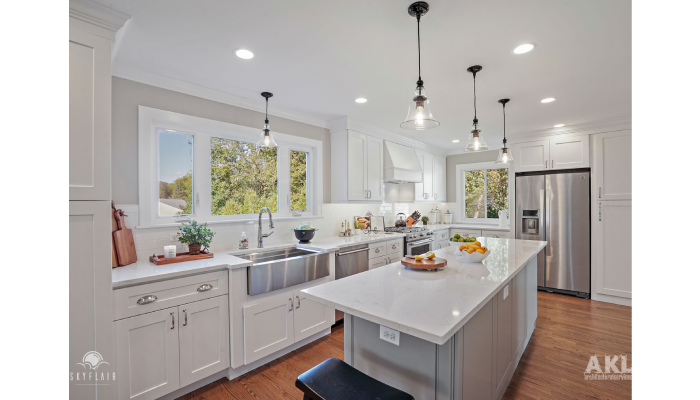

In 2025, the luxury real estate auction market is showing steady growth despite some economic challenges. Buyers now prefer homes with character, authenticity, and wellness features instead of just sleek modern designs. Sustainability and climate resilience are also important when choosing properties. Auctions stand out by offering quicker sales, usually within 60 to 90 days, and attracting serious, vetted buyers through global marketing efforts. Sellers benefit from competitive bidding that often meets or exceeds appraisals, along with reduced carrying costs due to faster transactions. Emerging markets like Perth and parts of Europe present fresh opportunities, while innovations such as virtual tours and remote bidding make auctions more accessible worldwide.
Global Overview of the Luxury Real Estate Market in 2025
The global luxury real estate auctions market in 2025 continues to show steady growth despite economic uncertainties and inflationary pressures. Buyers are shifting away from ultra-modern minimalism, instead favoring homes that offer authentic design, historical character, and experiential living spaces. Sustainability has moved from a niche consideration to a standard expectation, with energy-efficient systems and wellness-focused amenities like health-conscious interiors becoming common features. Geopolitical tensions and shifting economic policies heavily influence investment choices, as wealthy buyers prefer safe havens and politically stable regions. Climate change concerns also play a significant role, driving demand for properties built with climate resilience in mind, located in secure and less vulnerable areas. Ultra-high-net-worth individuals prioritize privacy, security, and seamless integration of smart home technologies, ensuring their residences meet both comfort and safety needs. Luxury real estate transactions are increasingly global, with cross-border buyers shaping market dynamics, supported by digital marketing advances and virtual tours that expand international reach. While some mature markets face economic slowdowns, emerging luxury hotspots such as Perth, Madrid, and parts of Eastern Europe provide attractive value and lifestyle benefits. Developers respond by creating mixed-use luxury projects that blend residential living with wellness and leisure amenities, catering to the sophisticated demands of today’s discerning buyers.

Regional Trends Shaping the Luxury Real Estate Market
The luxury real estate market in 2025 reflects distinct regional dynamics that shape buyer behavior and investment opportunities. In New York, foreign investments surged by 20 to 30 percent in 2024, yet buyers currently benefit from high inventory and price stabilization, especially if interest rates ease, creating a more balanced market. Miami’s luxury segment saw a 6.6 percent rise in $1 million-plus sales, driven by favorable tax policies and the city’s lifestyle appeal, which keeps demand steady. Chicago’s luxury market stands out with a 35 percent increase in sales over $4 million, fueled by the city’s relative affordability and vibrant cultural scene, attracting buyers seeking value alongside urban amenities. The Caribbean, particularly the U.S. Virgin Islands, recorded a 17 percent price growth supported by strong rental yields, making it an attractive option for both investors and second-home buyers. European markets vary: Paris luxury prices remain 13 percent below the 2022 peak but show selective strength as homes over €4 million rose by 3 percent, signaling resilience at the top end. London’s luxury market remains stable, supported by ongoing international demand despite tighter regulations. Geneva benefits from limited supply, maintaining upward price pressure, especially for large, exclusive properties. Dublin’s luxury sales are buoyed by international buyers, notably Americans, influenced by recent political shifts in the U.S. In the Middle East, Dubai recorded an impressive $63.5 billion in sales during 2024, led by off-plan projects and international millionaires; branded and sustainable residences are set to dominate in 2025. Emerging hotspots like Perth, Madrid, Monmouth County in New Jersey, Albania, and Bulgaria attract buyers with affordability, tax incentives, and appealing lifestyles, presenting fresh opportunities outside traditional luxury centers. These regional trends illustrate a luxury market that is diverse, influenced by economic, cultural, and political factors, with buyers increasingly seeking authenticity, lifestyle benefits, and investment potential across various geographies.
How Auctions Are Changing Luxury Home Sales?
Luxury real estate auctions are reshaping the way high-end homes are bought and sold by offering a faster and more certain sales process. Unlike traditional listings that can drag on for 120 days or more, auctions often close within 60 to 90 days, meeting sellers’ needs for a clear timeline. This speed is appealing in a market where carrying costs and prolonged exposure can be costly. Auctions attract a highly qualified pool of buyers through strict vetting and global marketing efforts, ensuring that only serious and financially capable bidders participate. This competitive environment often drives final sale prices to meet or exceed appraised values, in fact, 65% of luxury auction sales in 2024 did just that. Importantly, these auctions are not about distressed properties but focus on unique, high-value homes. The transparency and certainty offered by auction platforms appeal to ultra-wealthy buyers who prefer clear, streamlined transactions without drawn-out negotiations. Enhanced by professional marketing tools such as high-quality photography, videography, and virtual tours, these properties are showcased to their fullest potential, attracting international interest far beyond local markets. Technologies like secure remote bidding further open participation to global buyers, adding convenience and expanding reach.
Benefits for Sellers Using Luxury Real Estate Auctions
Luxury real estate auctions provide sellers with a clear advantage by setting a fixed timeline, which helps avoid the uncertainty and extended holding costs often seen in traditional sales. This defined timeframe, typically between 60 to 90 days, reduces the financial strain on sellers who otherwise face months of market exposure. Auctions also create a competitive bidding environment that frequently drives sales prices to meet or even exceed appraised values, giving sellers the potential for better returns. Because auction firms specialize in luxury properties, they apply tailored marketing strategies that include high-quality photography, videography, and virtual tours to highlight a property's unique features and appeal to a worldwide audience. This global reach is enhanced through international networks, ensuring that sellers attract serious, financially qualified buyers who have been thoroughly vetted before bidding. Such vetting minimizes risks of failed transactions and eliminates low-quality offers. Additionally, sellers benefit from avoiding drawn-out negotiations common in traditional sales, as the auction process provides clarity and certainty, allowing deals to close quickly and cleanly. Professional guidance from experienced auction firms throughout the process also helps sellers feel confident and supported, making auctions a strategic choice for those looking to maximize value while minimizing the usual headaches of luxury property sales.
Addressing Common Seller Concerns About Auctions
Many sellers worry that choosing an auction signals desperation, but that's far from the truth. In fact, 78% of sellers opt for auctions primarily to gain efficiency and certainty, not because they are under financial pressure. Auctions offer a fixed timeline, usually completing sales within 60 to 90 days, which appeals to sellers who want to avoid the uncertainty of open-ended marketing campaigns. Another common concern is whether auction sales yield fair prices. Properties sold at auction often meet or exceed their appraised values, with 65% of luxury auction sales in 2024 achieving this benchmark, sometimes outperforming traditional sales. Sellers also worry about low-ball offers or unqualified buyers, but auction processes include rigorous buyer qualification to ensure only serious bidders participate. This reduces the risk of stalled transactions or undervalued bids. Transparency is another key advantage: auctions operate with clear, open procedures that minimize doubts about fairness. Sellers retain control by setting reserve prices to protect minimum acceptable sale values. Additionally, comprehensive marketing efforts before the auction help generate competitive interest and visibility, often reviving demand for properties that have lingered on the market. Auction firms further support sellers by helping set realistic expectations and pricing strategies tailored to current market conditions. Overall, auctions are designed to streamline the sales experience, reduce risk, and provide sellers with a structured, dependable path to closing.
Buyer Preferences Impacting Luxury Auctions
High-net-worth buyers are increasingly drawn to luxury auctions for their clear and efficient purchase process, which avoids drawn-out negotiations common in traditional sales. These buyers value transparency and certainty in bidding, appreciating the streamlined timeline that auctions provide. There is growing demand for homes that stand out with unique character, historical significance, or cultural value, moving away from purely modern minimalism to properties that tell a story or offer a sense of authenticity. Wellness features, such as infrared saunas and biophilic design elements that bring nature indoors, play a significant role in buyer decisions, reflecting a lifestyle focused on health and balance. Smart home security technologies are also a priority, with buyers seeking advanced systems for privacy and safety. Climate-conscious buyers demand sustainable and resilient properties, favoring homes that address environmental impacts and can withstand changing weather patterns. Remote bidding technology has expanded access, allowing global buyers to participate easily in auctions, which supports interest in emerging luxury markets that offer lifestyle benefits and relative value. Experiential living spaces with integrated amenities appeal to modern tastes, as buyers look for homes that support both relaxation and entertaining. Privacy and exclusivity remain strong preferences, influencing the types of properties that attract competitive bidding at luxury auctions.
Opportunities in the 2025 Luxury Real Estate Auction Market
The 2025 luxury real estate auction market offers several distinct opportunities for sellers and investors alike. Unique properties and those located in emerging hotspots gain significant advantage by reaching a global pool of qualified buyers, expanding beyond local market limitations. This international exposure is especially valuable as the ultra-high-net-worth population continues to grow at over 7% annually, increasing competition among buyers for exclusive homes. Sellers who need a quick and certain sale find auctions align well with their goals, providing a defined timeline and reducing the uncertainty common in traditional sales. Auction platforms also play a key role in revitalizing interest for homes that have been stagnant, using comprehensive marketing and competitive bidding to generate fresh excitement. Technology further enhances access and engagement, with virtual tours and secure remote bidding enabling buyers worldwide to participate seamlessly. Additionally, luxury auctions can capitalize on rising buyer demand for wellness, sustainability, and advanced security features by highlighting these traits in marketing efforts. Auction houses that specialize in luxury properties tailor their strategies to maximize sale outcomes through targeted vetting and global campaigns, ensuring sellers realize fair market value or better. Overall, auctions present a transparent and efficient alternative for moving high-end properties in a dynamic market shaped by evolving buyer preferences and expanding wealth.
Challenges Facing Luxury Real Estate Auctions
Rising interest rates continue to narrow financing options, potentially limiting some buyers, though luxury auctions often attract cash buyers or those already pre-qualified, which helps mitigate this challenge. Sellers must be comfortable with the fixed timelines and structured procedures inherent to auctions, as these processes offer less flexibility compared to traditional sales. Selecting a reputable auction firm that specializes in luxury properties is essential to reach serious, qualified buyers and achieve fair market value. Upfront investments in marketing and property preparation are necessary, requiring sellers' commitment to showcase the home effectively through professional photography, virtual tours, and targeted campaigns. Some sellers hesitate because of the outdated belief that auctions signal distress, even though most luxury auctions involve motivated sellers seeking efficiency rather than urgency. Limited inventory in key markets can constrain auction opportunities, making it harder to find suitable properties to present. Global economic volatility influences buyer confidence and can reduce bidding activity, especially among international buyers. Coordinating logistics for international participants and remote bidding adds complexity, demanding robust technological platforms and clear communication. Sellers must thoroughly understand auction terms and conditions to avoid surprises related to fees, reserve prices, or contract obligations. Additionally, maintaining buyer interest in high-value homes requires continuous innovation in marketing strategies and presentation to highlight unique features and lifestyle appeal. These combined factors create a nuanced landscape that sellers and auction firms must navigate carefully to succeed in the 2025 luxury real estate auction market.
Frequently Asked Questions
1. What key factors are driving changes in the luxury real estate auction market for 2025?
Several factors are shaping the 2025 luxury real estate auction market, including evolving buyer preferences, advances in digital auction platforms, increased interest from international investors, and shifts in economic conditions that influence demand and supply.
2. How are technology and online platforms impacting luxury real estate auctions this year?
Technology is making luxury real estate auctions more accessible and transparent by offering virtual tours, live bidding, and easy access to detailed property information. This helps attract a broader range of buyers and streamlines the auction process compared to traditional in-person events.
3. What opportunities exist for buyers in the 2025 luxury real estate auction landscape?
Buyers can find unique properties that might not be available on the traditional market and potentially secure exclusive deals. The growing use of online auctions also allows buyers to participate from anywhere, opening up opportunities to purchase luxury homes beyond local regions.
4. In what ways are sellers benefiting from the current trends in luxury real estate auctions?
Sellers benefit from increased exposure to a global pool of buyers through online platforms, faster sales cycles, and the competitive bidding environment that can drive interest. The streamlined process reduces time on the market and can help attract serious, qualified buyers.
5. How might international economic trends influence the luxury real estate auction market in 2025?
Global economic shifts such as currency fluctuations, changes in foreign investment policies, and economic stability in various regions can affect cross-border buying activity. These trends impact demand in luxury auctions as international buyers often play a significant role in this market segment.
TL;DR The 2025 luxury real estate auction market is growing as buyers seek authentic, sustainable, and wellness-focused homes. Auctions provide sellers with quicker sales, market value pricing, and access to vetted, motivated buyers worldwide. Regional trends show strength in key cities like Miami, New York, Dubai, and emerging hotspots. While rising interest rates present challenges, auctions attract cash or pre-qualified buyers, reducing risk. Innovations like virtual reality and blockchain are shaping the future of auctions. Sellers who embrace these trends can capitalize on the evolving luxury market’s demand for speed, transparency, and global reach.