
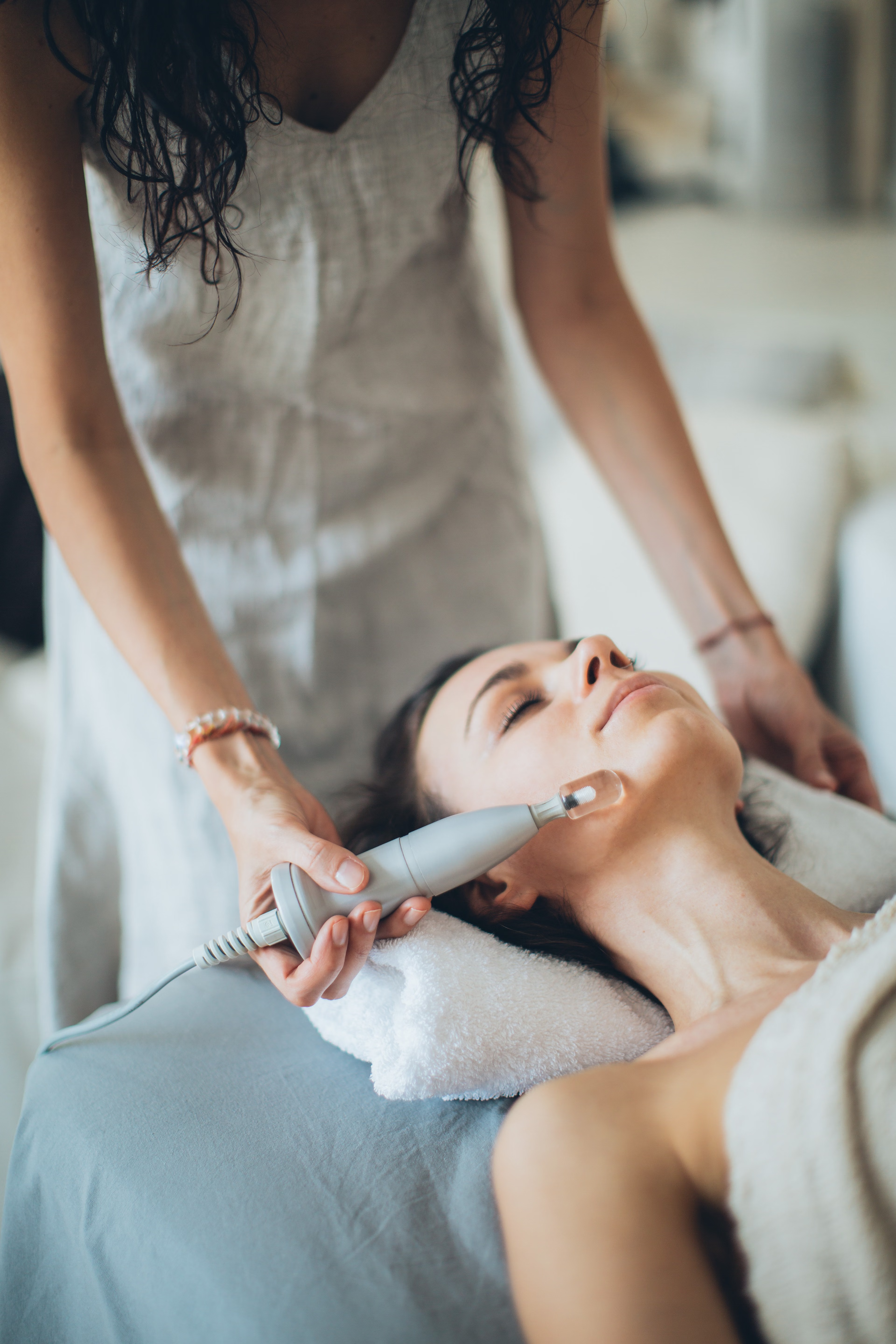
Skin that looks tired, uneven or slightly loose often sends people searching for microneedling, and then they run into a second option called Morpheus8. Both use tiny needles, which makes them easy to confuse, but they work at different depths and with different technology. Understanding the difference helps you ask better questions at a consultation.
Whether you are visiting a respected medical spa glendale ca practice or comparing several clinics, this guide breaks down how each treatment works, what recovery usually involves and who tends to be a good fit.
How Traditional Microneedling Works
Microneedling uses fine needles to create controlled micro-channels in the skin. The skin responds by starting a repair process, which supports collagen production over a series of sessions. On the face it is commonly considered for uneven texture, mild scarring and a dull complexion.
The depth is adjustable, but standard microneedling is mainly a mechanical treatment that works in the upper layers of the skin. That makes it a sensible starting point for surface concerns and for people who want a shorter recovery period.
How Morpheus8 Differs
Morpheus8 combines microneedling with radiofrequency energy delivered through the needles. The radiofrequency warms tissue beneath the surface, and the device can be set to reach deeper layers than a standard microneedling pen. The aim is to support firmness and skin tightening in addition to smoother texture.
Clinics commonly use it on the face, jawline and neck, and some offer it on body areas where skin has softened. Patients researching Morpheus8 in Glendale usually want to know about downtime first, so the comparison below covers it directly.
Side by Side Comparison
| Factor | Traditional Microneedling | Morpheus8 |
|---|---|---|
| Energy used | Needles only | Needles plus radiofrequency |
| Typical focus | Texture, mild scars, glow | Firmness, mild to moderate laxity, texture |
| Working depth | Shallower | Adjustable, can reach deeper layers |
| Recovery | Often mild redness for a short time | Often more redness and swelling for a few days |
| Sessions | Usually a series | Usually a series, sometimes fewer |
These are general patterns. Your provider will tailor depth, energy settings and spacing between visits to your skin and goals.
Recovery and What to Expect
After either treatment, the skin commonly looks pink and feels warm, similar to a mild sunburn. Morpheus8 can leave small pinpoint marks and some swelling that settles over several days, while standard microneedling often calms down sooner. Gentle skincare, consistent sunscreen and avoiding strong active ingredients for the period your provider recommends are important for both.
Results build gradually as the skin remodels, so improvement is typically assessed weeks after a session rather than the same day.
Who May Prefer Each Option
Traditional microneedling may suit you if your main concerns are rough texture, shallow acne marks or general dullness, and you want a shorter recovery. Morpheus8 may be worth discussing if you notice early looseness along the jawline or neck, or if you want a treatment that targets firmness as well as texture and you can plan for a few days of visible recovery.
Some people are not good candidates, including those with active skin infections, certain skin conditions, pregnancy or particular implanted devices. Your skin type and any pigmentation risk should also be part of the conversation, which is why a screening consultation comes before any treatment.
Questions to Ask at Your Consultation
- Which device will be used and who operates it?
- What depth and energy settings are likely for my concerns?
- How many sessions should I plan for, and how far apart?
- What recovery should I expect, and how should I prepare my schedule?
- Can I see a skin assessment and a written treatment plan?
Making the Decision
Morpheus8 and traditional microneedling are related but not interchangeable. One focuses on surface renewal, the other adds radiofrequency to address firmness at depth. The better choice depends on what you want to change, how much recovery time you have and what your skin can safely tolerate. Book a consultation with a licensed provider, bring photos of your concerns and let a skin assessment guide the plan.