Most diamond shapes are designed to break light into as many small sparkles as possible. The emerald cut takes the opposite approach. With its long, open facets and clean rectangular outline, it trades glitter for clarity and calm, and that is exactly why people who choose it tend to love it for decades. If you are drawn to understated elegance, this guide explains what to look for before you buy.
What Is an Emerald Cut?
An emerald cut is a rectangular diamond with cropped corners and parallel facets that step down the stone like a staircase. Jewelers call these step facets. Instead of scattering light, they create broad flashes that appear and disappear as the stone moves, often described as a hall of mirrors effect.
The cut takes its name from the emerald gemstone, which was traditionally shaped this way to reduce stress on the crystal during cutting. Applied to diamonds, it became a signature look of the Art Deco era and still carries that sophisticated, architectural character today. Looking through a selection of emerald cut engagement rings is a good way to see how the step pattern reads in real settings.
Clarity Matters More Than Usual
Because the facets are long and open, you can see deep into an emerald cut. That is part of its beauty, but it also means inclusions are easier to spot than in a brilliant cut like a round or oval. For most buyers, VS2 clarity is a sensible minimum for a stone that looks clean to the eye. Above 1.5 carats, VS1 or better gives extra peace of mind.
Pay attention to where any inclusions sit. Something near the edge may be invisible once the stone is set, while a mark in the center of the table will draw the eye every time you look at it.
Color: One or Two Grades Higher
Step facets also show body color more readily, particularly at the ends of the rectangle. In platinum or white gold, G or H color usually keeps the stone looking white. If you prefer yellow or rose gold, the warm metal masks a little color, so I color often looks perfectly fine once the ring is finished.
Choosing the Right Ratio
The length-to-width ratio shapes the whole look of an emerald cut. A ratio around 1.40 gives the classic proportion that most people picture. Going above 1.50 creates a long, slim stone with a dramatic, finger-lengthening effect. Below about 1.25, the stone starts to look almost square and moves closer to an asscher cut.
Why Emerald Cuts Look Bigger
Emerald cuts have a large, flat top surface called the table, and their long outline spreads that surface along the finger. A 1 carat emerald cut at a 1.40 ratio measures roughly 7.0 by 5.0 mm, covering more area than a 6.4 mm round of the same weight. On the hand, the difference is easy to see.
Setting Styles That Work
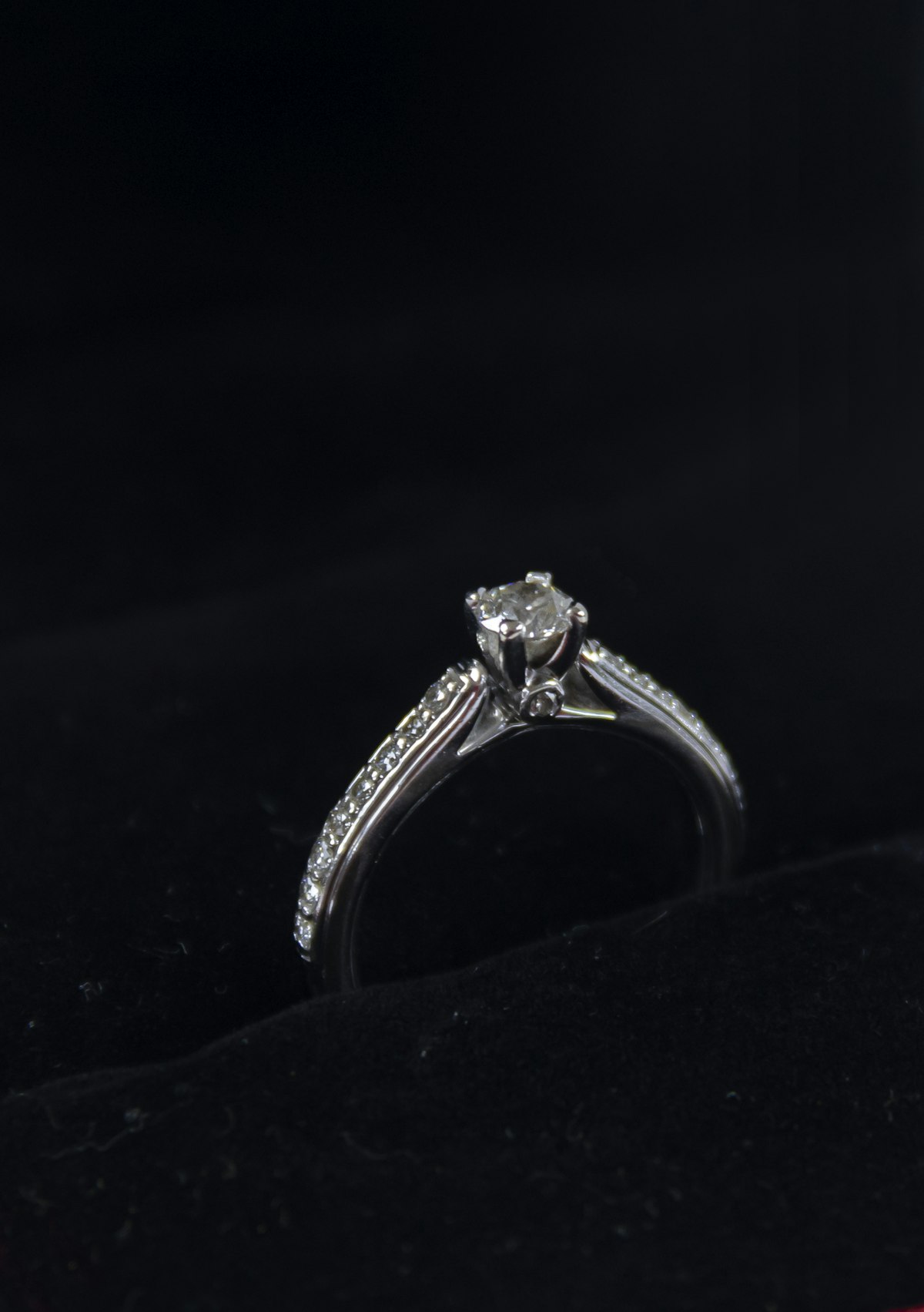
A four-prong solitaire is the purest way to show off an emerald cut, letting the step pattern speak for itself. Three stone settings with tapered baguettes or trapezoid side stones echo the straight lines and lean into the Art Deco heritage. A hidden halo adds subtle brightness from the side, while a full halo increases the visible size without changing the shape.
If you want to compare these styles in one place, browse emerald cut diamond rings in solitaire and three stone designs and notice how the side stones change the overall feel.
Is Lab-Grown a Good Fit?
Lab-grown diamonds are physically and optically identical to natural diamonds, and they are widely available in emerald cuts. Because this shape rewards higher clarity grades, the lower cost of lab-grown stones can make a cleaner, larger diamond much more affordable. Natural stones remain a meaningful choice for buyers who value rarity and tradition.
The Bottom Line
An emerald cut is for someone who values clean lines and quiet confidence over flash. Set a clarity floor of VS2, choose a ratio that suits your hand, and match the color grade to your metal. With those three decisions made, the right emerald cut ring tends to stand out quickly.